.jpeg)
The Art of Fly Fishing: A Beginner's Guide
Published: December 8, 2025
Fly fishing is one of the most elegant and rewarding forms of angling. Unlike traditional fishing, fly fishing uses a lightweight lure called a fly that mimics insects or small fish. The technique requires patience, precision, and an understanding of water currents and fish behavior.
When starting your fly fishing journey, it's essential to choose the right equipment. A good fly rod should match the type of water you'll be fishing in - lighter rods for small streams, heavier ones for large rivers or lakes. The fly line is equally important, as it's what carries the fly to the target.
One of the most crucial skills in fly fishing is the cast. The overhead cast is the most common technique, involving smooth acceleration and a sudden stop to create a loop that propels the line forward. Practice in an open area before hitting the water - it will make your first fishing trip much more enjoyable.
Understanding fish behavior is key to success. Trout, for example, are often found in areas with good oxygen levels, such as riffles or where streams enter lakes. They also prefer areas with cover, like overhanging branches or submerged logs, where they can hide from predators.
Read More
Deep Sea Fishing Adventures: Team Stories
Published: December 5, 2025
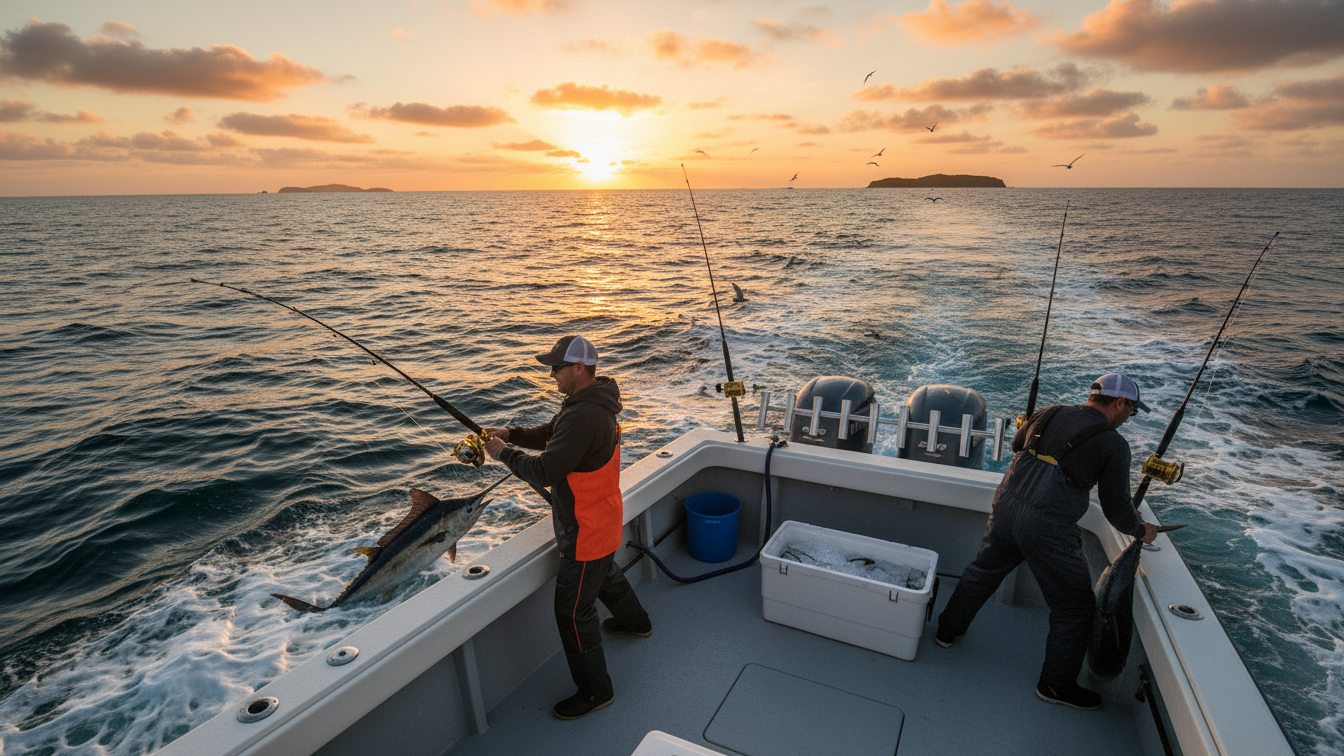
Deep sea fishing offers an entirely different experience from freshwater angling. The vastness of the ocean, the power of the fish, and the teamwork required make it an unforgettable adventure. Our community has shared incredible stories of their deep sea expeditions.
Team "Deep Blue" recently completed a three-day fishing trip off the coast, targeting marlin and sailfish. The team's coordination was impressive - one member would spot the fish, another would prepare the tackle, and everyone would work together to bring in the catch. The camaraderie built during these trips is what makes team fishing so special.
Safety is paramount in deep sea fishing. Always check weather conditions before heading out, ensure you have proper safety equipment, and never go alone. The ocean can be unpredictable, but with proper preparation and teamwork, it becomes an incredible playground for anglers.
One memorable story from Team Deep Blue involved catching a 200-pound marlin. The fight lasted over two hours, with team members taking turns on the rod. The sense of achievement when they finally brought the fish to the boat was indescribable - a true testament to teamwork and perseverance.
Read More
Best Gaming Spends: Investing in Quality Equipment
Published: December 2, 2025
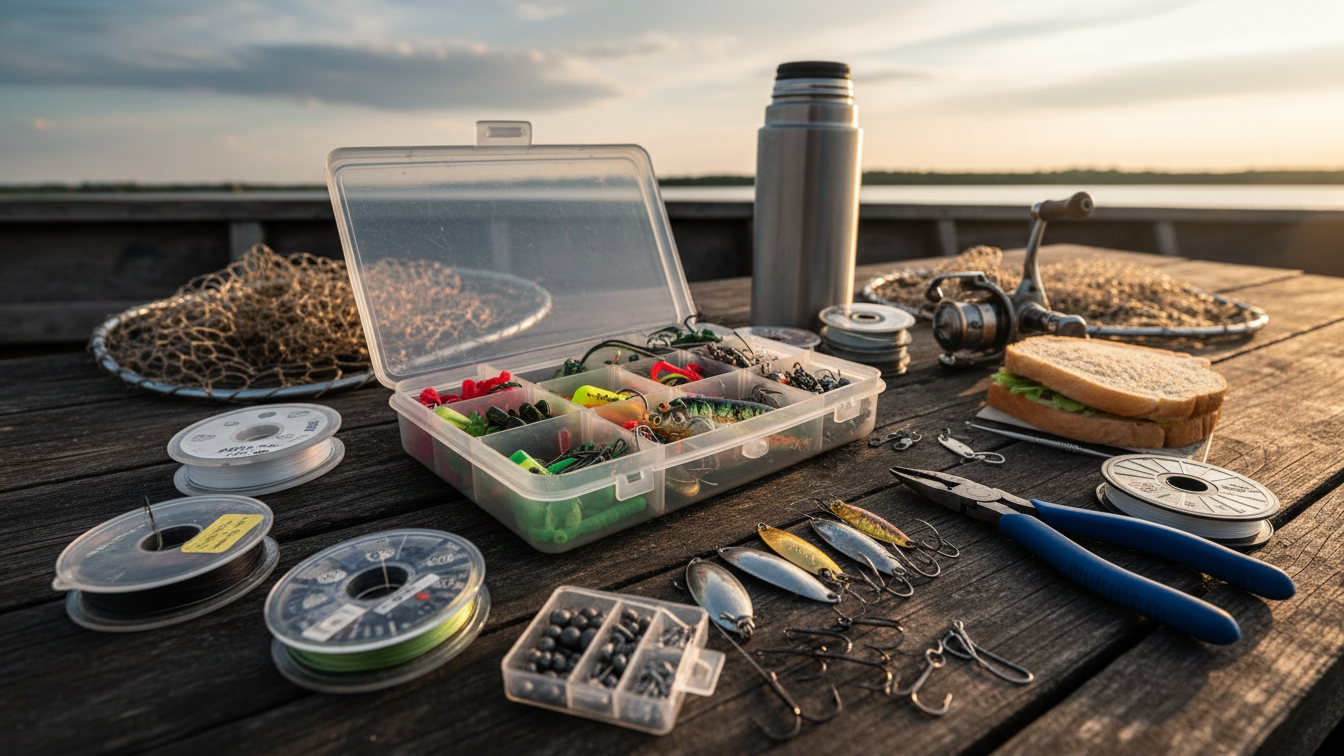
Whether you're a casual angler or a serious fishing enthusiast, investing in quality equipment can significantly enhance your fishing experience. However, knowing where to spend your money is crucial. Here's our guide to the best gaming spends for fishing equipment.
1. Rods and Reels: This is where you should invest most heavily. A quality rod and reel combo will last for years and make fishing much more enjoyable. Look for rods with good sensitivity and reels with smooth drag systems. Brands like Shimano, Daiwa, and Penn offer excellent options across different price ranges.
2. Fishing Line: Don't skimp on fishing line. Quality monofilament, fluorocarbon, or braided line can make the difference between landing a fish and losing it. The line is your connection to the fish, so invest in something reliable.
3. Tackle Box: A well-organized tackle box saves time and frustration on the water. Look for boxes with adjustable compartments and good durability. Waterproof options are worth the extra cost if you fish in wet conditions.
4. Safety Equipment: Life jackets, first aid kits, and communication devices are essential, especially for boat fishing. These aren't glamorous purchases, but they could save your life.
Remember, you don't need the most expensive equipment to enjoy fishing. Start with quality basics and upgrade as you gain experience and identify your specific needs.
Read More
.jpeg)
Understanding Fish Behavior: Tips from Experienced Anglers
Published: November 28, 2025
Successful fishing isn't just about having the right equipment - understanding fish behavior is equally important. Experienced anglers from our community share their insights on reading water and predicting fish movements.
Fish are cold-blooded creatures, meaning their activity levels are directly influenced by water temperature. Most fish species have optimal temperature ranges where they're most active. For example, bass are most active in water temperatures between 65-75°F (18-24°C). Understanding these preferences helps you choose the best times to fish.
Weather patterns also significantly affect fish behavior. Many anglers find that fishing is best just before a storm, when barometric pressure drops. Fish become more active as they sense the approaching weather change. Overcast days can also be excellent for fishing, as reduced light makes fish feel more secure.
Water structure is another crucial factor. Fish use structure for protection, ambush points, and as reference points for navigation. Look for areas with changes in depth, submerged vegetation, rocks, or fallen trees. These structures attract baitfish, which in turn attract larger predatory fish.
Time of day matters too. Many fish species are most active during dawn and dusk - the so-called "golden hours." During these times, fish move into shallower water to feed, making them easier to target. However, don't discount midday fishing - some species, especially in deeper water, remain active throughout the day.
Read More
.jpeg)
Team Building Through Fishing: Community Stories
Published: November 25, 2025
Fishing has a unique way of bringing people together. Our community is filled with stories of friendships formed, teams built, and bonds strengthened through shared fishing experiences. Here are some inspiring team stories from our members.
The "River Runners" team started as a group of strangers who met through our platform. They decided to organize a weekend fishing trip, and what started as a casual outing became a regular tradition. Now, they fish together monthly and have become close friends, sharing not just fishing tips but life experiences.
Team building through fishing works because it combines shared challenges with relaxed social interaction. When you're waiting for a bite, conversations flow naturally. When someone catches a fish, everyone celebrates together. These shared moments create lasting bonds.
Many teams use fishing trips as opportunities to mentor newer members. Experienced anglers share techniques, help with equipment setup, and teach safety practices. This mentorship culture strengthens the entire community and ensures that fishing knowledge is passed down to new generations.
The competitive aspect of fishing also brings teams together. Whether competing in local tournaments or just comparing catches, friendly competition adds excitement and gives teams goals to work toward together. Some teams even organize their own mini-tournaments, complete with prizes and bragging rights.
Read More
Essential Bait and Lure Techniques
Published: November 22, 2025
Choosing the right bait or lure can make all the difference in your fishing success. Different fish species respond to different presentations, and understanding these preferences is key to becoming a successful angler.
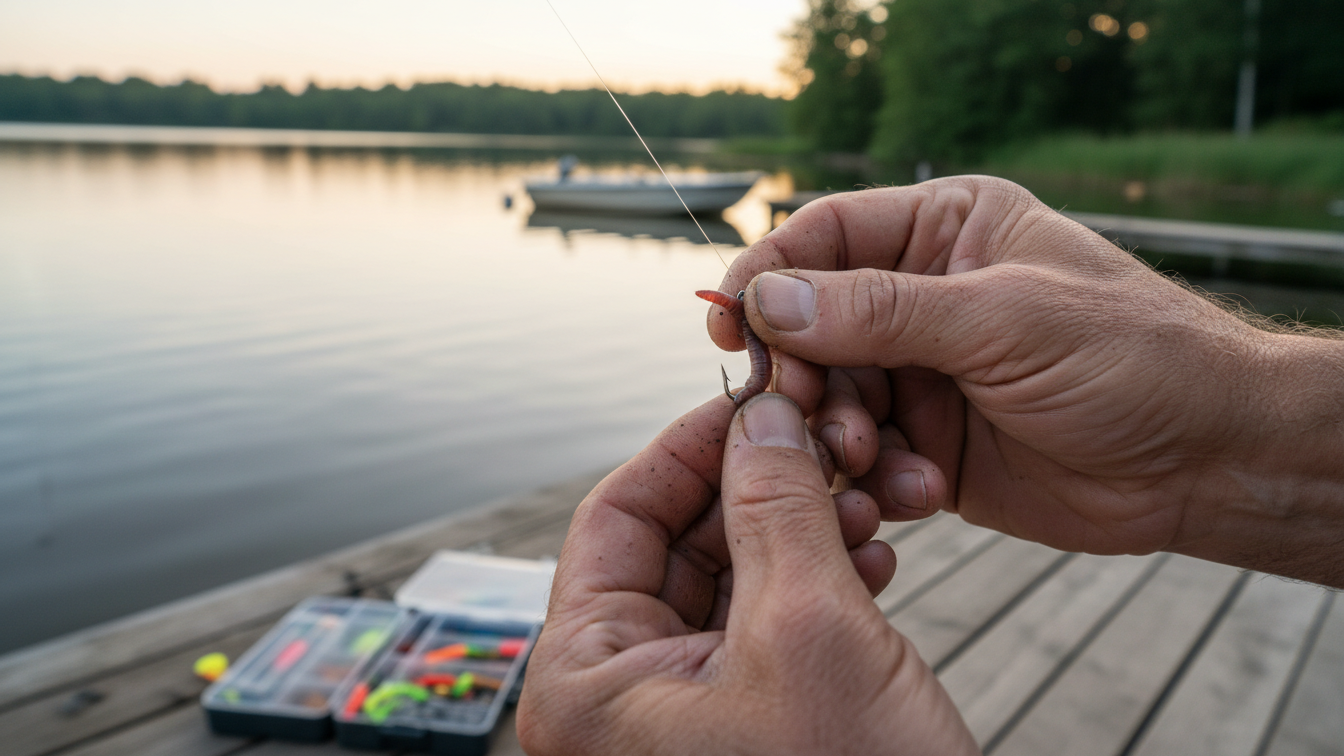
Live Bait: Live bait is often the most effective option because it looks, smells, and moves like natural prey. Worms, minnows, and insects are popular choices. The key is keeping bait fresh and lively - fish are more likely to strike at active, healthy-looking bait.
Artificial Lures: Lures offer convenience and can be very effective when used correctly. Spinnerbaits work well in murky water because they create vibration and flash. Crankbaits are excellent for covering large areas quickly. Soft plastics can be rigged in various ways to mimic different prey.
Presentation Matters: How you present your bait or lure is often more important than what you're using. Vary your retrieve speed, add pauses, and try different depths until you find what works. Fish can be finicky, and sometimes a small change in presentation makes all the difference.
Remember to match your bait or lure to the conditions. In clear water, use more natural colors and subtle presentations. In murky water, use brighter colors and lures that create vibration or sound. Pay attention to what the fish are feeding on and try to match it.
Read More